
Posts Tagged ‘retirement tax planning’
Bitcoin Gains and Losses: The Tax Planning Playbook for Physicians and Practice Owners

If you’re looking for bitcoin tax planning physicians can actually use in real life, start here. But taxes tied to Bitcoin can feel like a different kind of exhausting. Not because it’s impossible. It’s just… sneaky. Bitcoin moves fast. Your tax return moves slowly. And somewhere in the middle, you can end up paying more…
Read MorePhysician Tax Planning Guide (2026): Save More, Avoid Surprises

Taxes shouldn’t feel like a pop quiz. Yet for a lot of high-income physicians, that’s what it turns into. You go through the year, you work hard, you save what you can, then you get the number. Sometimes it’s fine. Sometimes it’s a punch to the gut. And even when it’s fine, you still wonder…
Read MoreWhy January Is the Best Time to Build a Tax Roadmap

January feels calm for about five minutes. Then you’re back in clinic. Your schedule fills up. Life starts running again. And tax planning turns into “we’ll deal with it later.” That’s the exact reason January matters. If you’re a physician with high income, your tax outcome doesn’t get decided in March or April. It gets…
Read MoreCould You Pay Less Tax Under Trump’s One Big Beautiful Bill?

Well, here we are. Trump’s “One Big Beautiful Bill” is now the law of the land. I have to admit—just a couple years ago, I’d have bet this was more political rally talk than a real piece of legislation. But Congress actually passed it, and it’s… big. And kind of beautiful, depending on who you…
Read MoreHigh State Income Taxes: How to Plan Smarter and Retire Wealthier
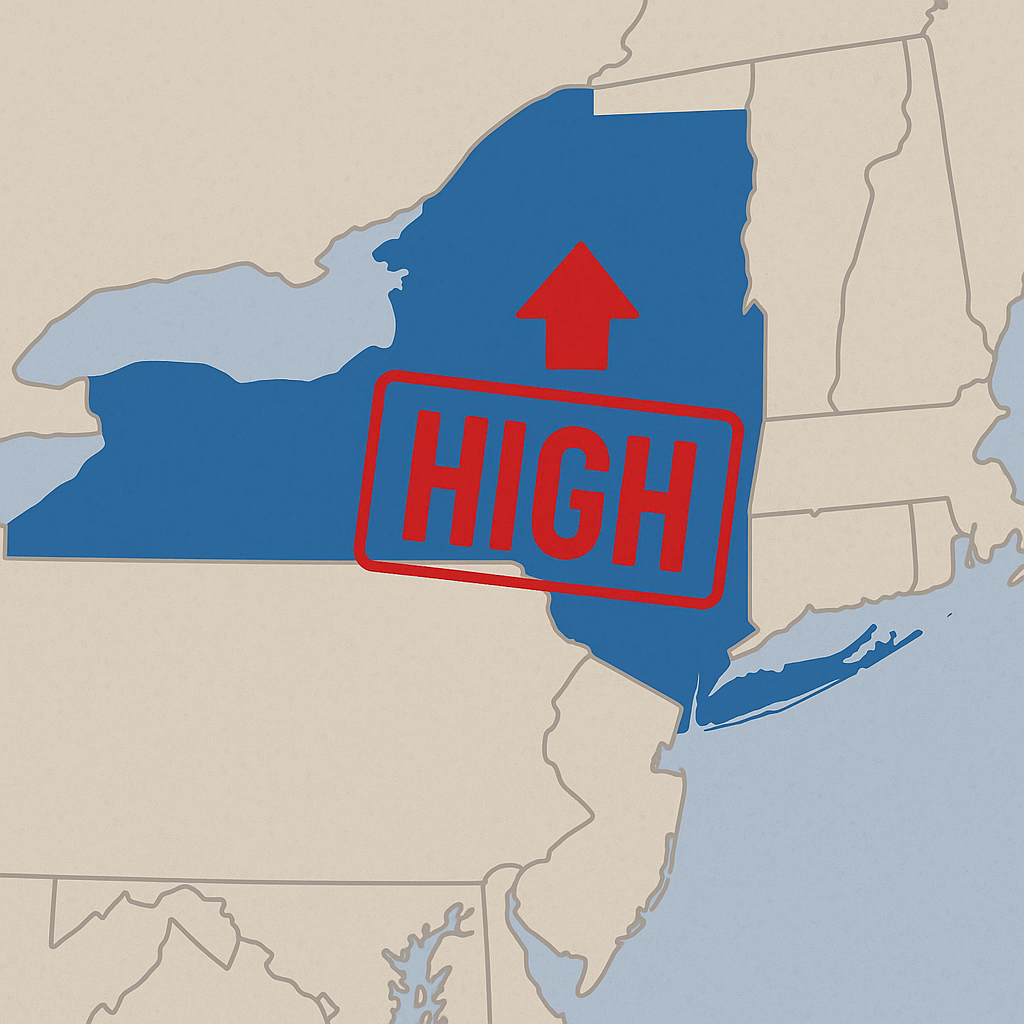
Understanding Why Some States Have Higher Income Taxes You might wonder why income taxes vary so much from state to state. The answer usually lies in how states balance their budgets. Some states, like California and New York, fund extensive public services with higher income taxes. Others, like Texas or Florida, skip income taxes but…
Read MoreWhat to Do with Your RMDs (and What to Avoid)

Once you reach age 73, the IRS requires you to begin taking Required Minimum Distributions (RMDs) from your tax-deferred retirement accounts.If you were born in 1960 or later, your RMD start age is 75. RMDs apply to: Traditional IRAs SEP IRAs and SIMPLE IRAs (after retirement) 401(k)s, 403(b)s, and 457(b)s (unless you’re still working and…
Read More